
If you’ve ever felt like your body is carrying more than just stress or maybe a kind of heaviness you can’t shake, then you already understand why people turn to Panchakarma. It’s not just about a spa day with herbal oils. It’s a deeper reset, one that’s been practiced in Ayurveda for centuries.
Let’s be honest, when you hear “detox therapy,” you picture green juices and giving up coffee for a week. The Vaidyaratnam Dr. Sandip Patel, one of the Best Ayurvedic Hospital In Surat, at Niramay Ayurvedic Hospital, shares that Panchakarma is in a different league. It’s a structured process meant to dig out toxins, not just from your stomach, but from your whole system, ie, your body and mind included.
More Than Just Oils and Massages
Here’s the thing: Panchakarma isn’t one-size-fits-all. It literally means “five actions,” referring to five cleansing techniques that Ayurveda uses to balance the body’s doshas (your inner energies, if you will). These actions range from therapeutic vomiting (yes, that’s a thing) to herbal enemas, nasal cleansing, and purgation therapies. Not the prettiest list to read, but the logic behind it is simple to clear out what doesn’t belong, and the body heals itself better.
Now, before you cringe, know that Panchakarma isn’t a random series of uncomfortable procedures. It starts gently, with preparatory steps. Think warm oil massages, herbal steam, and diet adjustments to loosen up the “ama” (toxins). Only then do you move into the deeper cleansing. It’s like decluttering your house: first you open the windows, then you take the trash out.
What It Feels Like
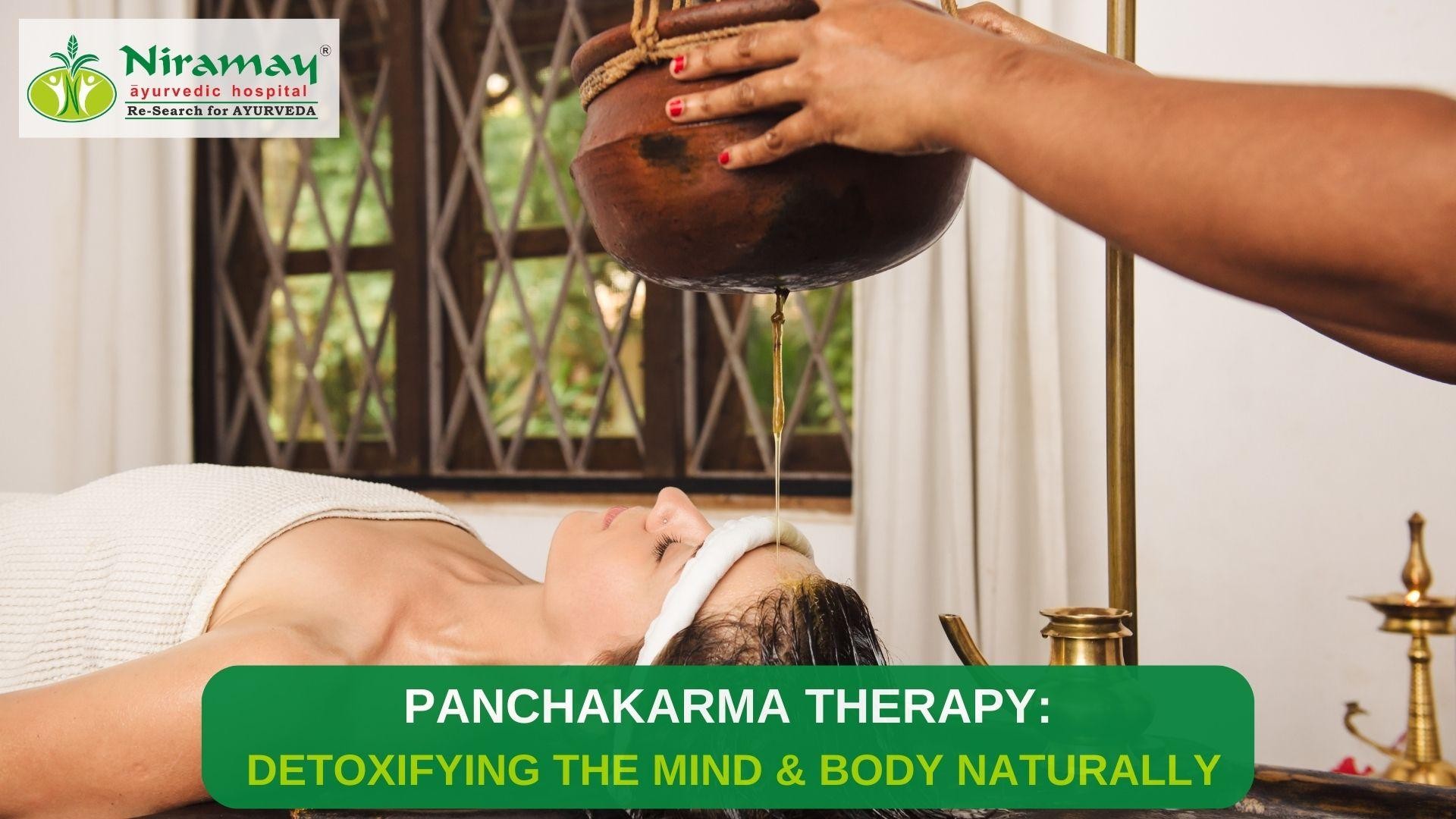
The experience itself is… grounding. Imagine lying down as warm herbal oil is rhythmically poured and massaged into your skin. The scent of sesame or medicated ghee fills the room, earthy and calming. For some, it feels like melting away layers of fatigue. For others, the emotions run deep where people report sudden waves of calm, or even unexpected tears. Detox isn’t always about the physical; it pulls out what’s been tucked away in your nervous system too.
And yes, some parts are more challenging. Purgation, for example, isn’t exactly fun, but many describe a strange lightness afterward, as if the body is less burdened. Doctors from the best ayurvedic doctors in Surat, Niramay Ayurvedic Hospital, emphasize about Panchakarma being less about pampering and more about cleansing.
Why Bother in the First Place?
Modern life isn’t exactly toxin-free. Pollution, processed food, late nights, endless scrolling — it all leaves residue. Ayurveda sees that residue as “ama,” sticky stuff that clogs up your system. You may not see it, but you feel it: sluggish mornings, skin flare-ups, digestive troubles, constant irritability.
Here’s where Panchakarma makes sense. By flushing out what your body struggles to eliminate, it’s like giving your internal organs a vacation. Digestion improves, energy rebounds, and the mind feels sharper. Some people even notice subtle things — colors looking brighter, or food tasting more vivid after therapy. Whether that’s biology or psychology hardly matters; the change feels real.
But Let’s Be Practical
Ask any expert at the best ayurvedic hospital in Gujarat and they’ll affirm that Panchakarma is a magic cure. It requires commitment. You can’t just pop in for a one-hour treatment and expect miracles. A proper Panchakarma program runs days, sometimes weeks, and it needs supervision by an Ayurvedic doctor. Doing it half-heartedly (or DYing with YouTube instructions) can do more harm than good.
Also, it’s not for everyone at all times. If you’re pregnant, severely weak, or battling certain illnesses, this isn’t the right therapy. Ayurveda is all about timing and balance, and a good practitioner knows when to recommend it — or when to hold off.
The Mental Reset
What strikes most people isn’t just the physical relief but the mental quiet. When your digestion resets and your body feels lighter, the mind follows suit. As the best ayurvedic treatment in Surat, Panchakarma often includes simple routines of waking up early, eating fresh, mindful rest — that restore rhythm. In a world where our brains are constantly overstimulated, that slow pace itself feels like medicine.
Some describe it as a full “reboot.” They go in feeling drained and come out noticing they’re less reactive, more patient, even sleeping deeper. That, to me, is the biggest win: not just fewer toxins in the body, but fewer toxic loops in the mind.
Final Thoughts
If you’re expecting Panchakarma to be easy, you’ll be surprised. Parts of it test your patience. But if you’re willing to surrender to the process, it can be profoundly restorative. It’s not just ancient tradition for the sake of tradition; it’s a system built on observing how the body naturally heals when given the right nudge.
So, should you try it? If you’re curious, find a reputable Ayurvedic Panchakarma Hospital in Surat — like Niramay Ayurvedic Hospital, it’s worth considering — especially if you’ve been stuck in that cycle of fatigue and stress that coffee or weekend breaks can’t fix. Just don’t go expecting luxury. Go in expecting honesty from your body.