
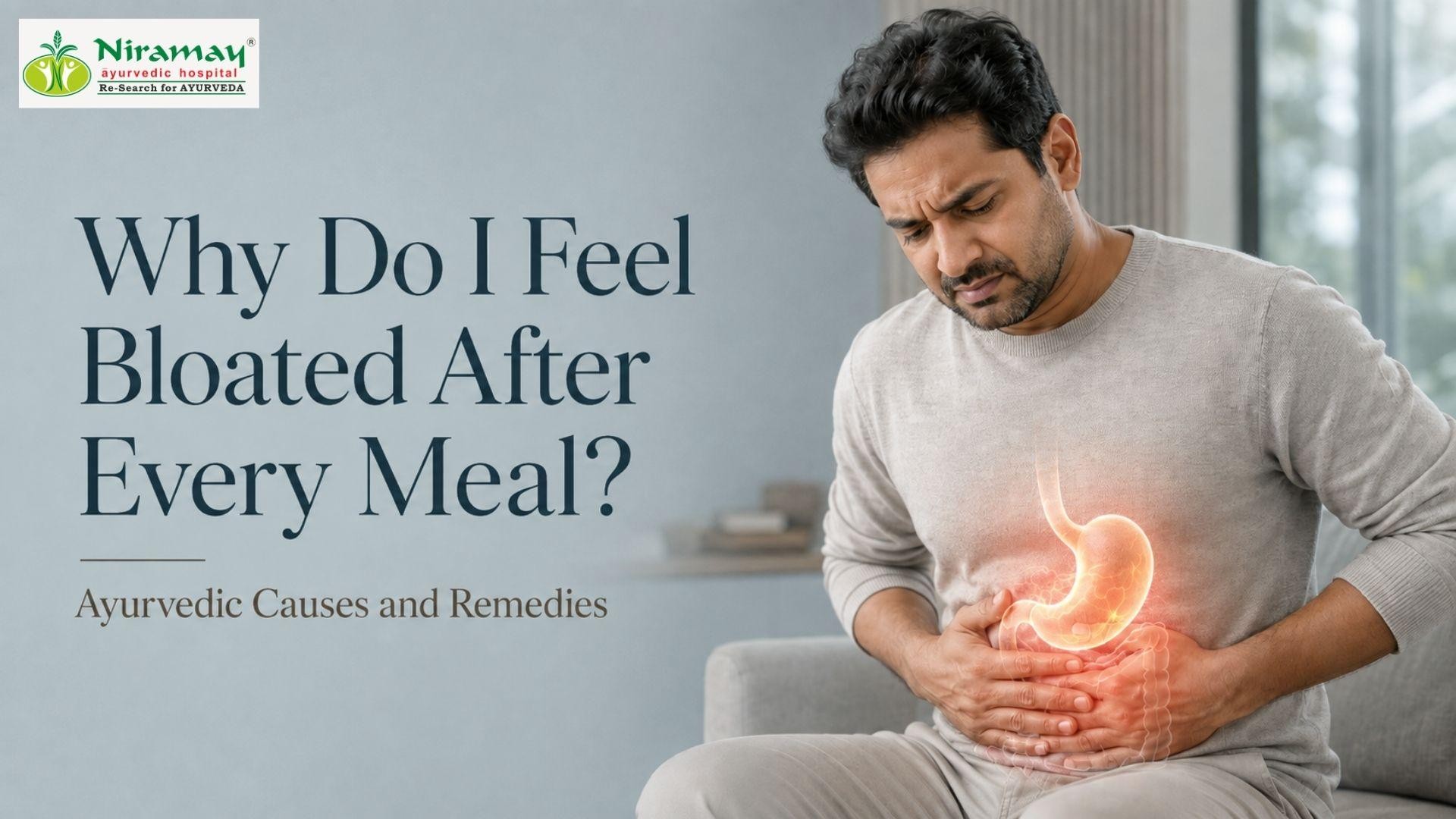
Have you ever finished a meal only to feel as though your stomach has suddenly doubled in size? Maybe your jeans feel tighter, your abdomen feels heavy, or you experience uncomfortable gas after eating. If this happens occasionally, it is usually nothing to worry about. However, if you feel bloated after almost every meal, your body may be trying to tell you that something needs attention.
Bloating is a common digestive complaint that can affect people of all ages. While quick remedies may provide temporary relief, Ayurveda takes a more holistic approach by looking at the possible underlying causes of recurring digestive discomfort.
What exactly is bloating?
You may have experienced bloating after eating a large meal at a family gathering or celebration. But when bloating becomes a regular part of your day, it is worth paying attention to it.
Bloating is often described as a feeling of fullness, tightness, or swelling in the abdomen. It may also be accompanied by excessive gas or other digestive discomfort.
You may experience:
- A tight or stretched feeling in the abdomen
- Gas that is difficult to pass
- Frequent burping
- Feeling full after eating only a small amount
- Mild abdominal discomfort
- Clothes feeling tighter as the day progresses
At Niramay Ayurvedic Hospital, an experienced Best Ayurvedic Doctor in Surat may begin by understanding your digestion, lifestyle, eating habits, sleep patterns, and overall health before suggesting an appropriate treatment approach.
Ayurveda Starts with one Simple Question: How is your Digestion?
In Ayurveda, digestion is considered an important foundation of overall health. When digestion is functioning well, food can be processed efficiently and the body can receive the nourishment it needs.
Ayurveda describes impaired digestion in terms of an imbalance in Agni, or digestive fire. When digestion is weak or irregular, Ayurveda associates this with the accumulation of Ama, traditionally described as incompletely digested material. This Ayurvedic framework may help practitioners understand symptoms such as heaviness, gas, and abdominal discomfort.
However, persistent bloating can also have many other possible causes. Therefore, recurring symptoms should not automatically be attributed to poor digestion alone.
What can be your everyday habits that might be causing bloating?
Sometimes bloating may be associated with everyday eating and lifestyle habits rather than an underlying medical condition.
For example, eating too quickly can cause you to swallow more air, which may contribute to gas and abdominal discomfort. Large meals, irregular meal timings, late-night eating, highly processed foods, and certain foods that do not suit an individual may also contribute to bloating.
Some people also notice discomfort when they consume large amounts of beverages during meals. Rather than following strict rules, it is better to observe how your body responds and maintain balanced eating and drinking habits.
Small changes in your daily routine may help improve digestive comfort.
How can Ayurveda help with bloating ?
Ayurveda does not follow a one-size-fits-all approach. Two people may experience bloating after meals, but the factors contributing to their symptoms may be very different.
An Ayurvedic practitioner may therefore consider your digestion, dietary habits, lifestyle, sleep, stress levels, and overall health before recommending a personalised approach.
Depending on the individual assessment, Ayurvedic care may include:
- Dietary guidance
- Lifestyle modifications
- Herbal preparations where appropriate
- Recommendations for regular meal and sleep routines
- Stress-management and relaxation practices
The goal is to support healthy digestion while addressing the individual’s overall lifestyle and well-being.
Small changes that can make a big difference
One of the most practical aspects of an Ayurvedic lifestyle is its emphasis on consistent, manageable habits rather than drastic changes.
You may benefit from:
- Eating slowly instead of rushing through meals
- Chewing your food thoroughly
- Maintaining relatively consistent meal timings
- Choosing freshly prepared, balanced meals when possible
- Limiting excessive intake of heavily processed foods
- Avoiding overeating
- Paying attention to foods that repeatedly trigger discomfort
Eating mindfully gives you a chance to recognise when you are comfortably full and may also help you avoid eating too quickly
Does Stress Affect Digestion?
Yes. Stress and digestive health are closely connected. Have you ever noticed that your stomach feels unsettled during a particularly busy or stressful day?
Stress can affect digestive function and may contribute to symptoms such as abdominal discomfort, changes in bowel habits, and bloating in some people.
Ayurvedic care often takes this mind-body connection into account. Along with dietary recommendations, an Ayurvedic practitioner may suggest adequate sleep, relaxation techniques, yoga, breathing exercises, or other appropriate lifestyle practices.
Does Panchakarma help in Bloating?
If bloating is persistent and accompanied by other digestive concerns, an Ayurvedic practitioner may consider whether Panchakarma is appropriate as part of an individualised treatment plan. We at Niramay being an experienced Ayurvedic Panchkarma Hospital in Surat offer these therapies as part of a personalised treatment plan. But you need to know that it is not something that’s recommended for everyone. After proper assessment, it might be suggested to help support healthy digestion and improve overall balance and promote natural detoxification.
Simple everyday tips for better Digestion
You do not always need to make major lifestyle changes to support better digestive health. Consistency is often more important.
Consider these simple habits:
- Give your body reasonable gaps between meals instead of eating continuously throughout the day.
- Prefer freshly prepared, balanced meals whenever possible.
- Eat slowly and mindfully.
- Drink adequate water throughout the day.
- Avoid excessive fluid intake with meals if it makes you uncomfortable.
- Maintain a regular sleep schedule.
- Make time for relaxation and physical activity.
Most importantly, pay attention to your body’s individual responses rather than following a rigid diet without professional guidance.
A Healthier Gut starts with better Habits
Digestive health is not built overnight. It is influenced by the choices you make every day—what you eat ,how you eat, how regularly you sleep, how active you are ,and how you manage stress.
At Niramay , an Ayurvedic hospital in Gujarat, the approach focuses on considering these factors rather than looking at a single symptom in isolation. This personalized approach can help create a care plan suited to an individual’s needs.
Feeling bloated after every meal is not something you should simply ignore. Occasional bloating can be common, but frequent or persistent bloating deserves attention. Ayurveda offers a holistic approach that focuses on digestion, diet, lifestyle, and overall well-being.
By understanding possible triggers and making gradual, sustainable changes, you may be able to improve digestive comfort and feel lighter and more at ease.
FAQs
1. Is feeling bloated after every meal normal?
Occasional bloating is common. However, if you experience bloating after almost every meal or if it is persistent, severe, or affecting your daily life, it is advisable to consult a healthcare professional to identify the possible cause.
2. Can Ayurveda help with chronic bloating?
Ayurvedic care may help support digestive health through personalised dietary and lifestyle guidance and, when appropriate, herbal preparations. Persistent bloating should be properly evaluated rather than self-treated.
3. Can stress make bloating worse?
Yes. Stress can affect digestion, and some people experience increased bloating or other digestive symptoms during stressful periods.
4. Is Panchakarma useful for digestive problems?
Panchakarma may be recommended in certain situations as part of an individualised Ayurvedic treatment plan. It is not appropriate for everyone, so an Ayurvedic practitioner should assess your health before recommending any Panchakarma therapy.
5. When should I visit an Ayurvedic doctor for bloating?
Consider consulting a qualified Ayurvedic doctor if bloating is frequent, persistent, affects your daily activities, or continues despite reasonable dietary and lifestyle changes.
You should seek prompt medical attention if bloating occurs with symptoms such as severe or persistent abdominal pain, repeated vomiting, blood in the stool, unexplained weight loss, fever, or significant changes in bowel habits.